I’m pleased to share my latest publication exploring Korean eateries as intercultural infrastructure, ordinary, everyday spaces in multicultural London where people from different backgrounds meet, share experiences, and build familiarity across cultural differences.
As our cities become increasingly diverse, understanding how these mundane places contribute to social life is becoming a critical question for planning, urban design, and architecture.
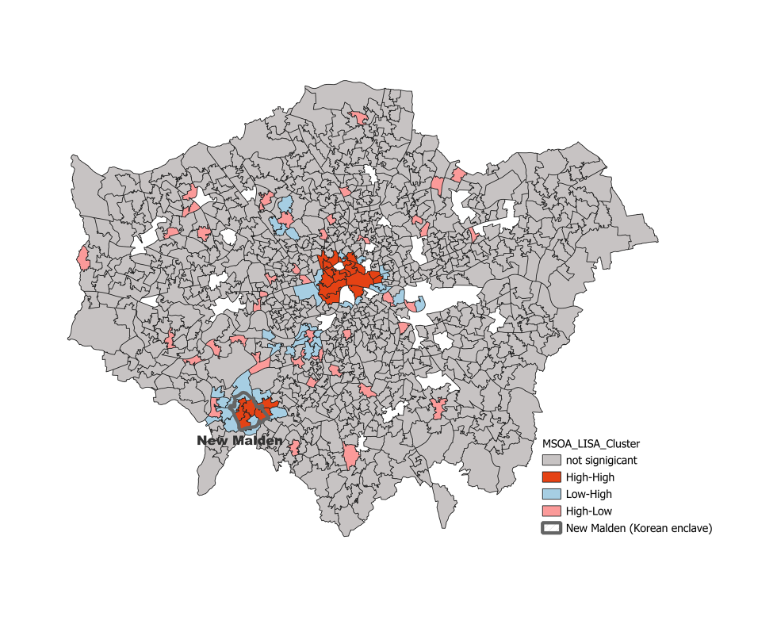
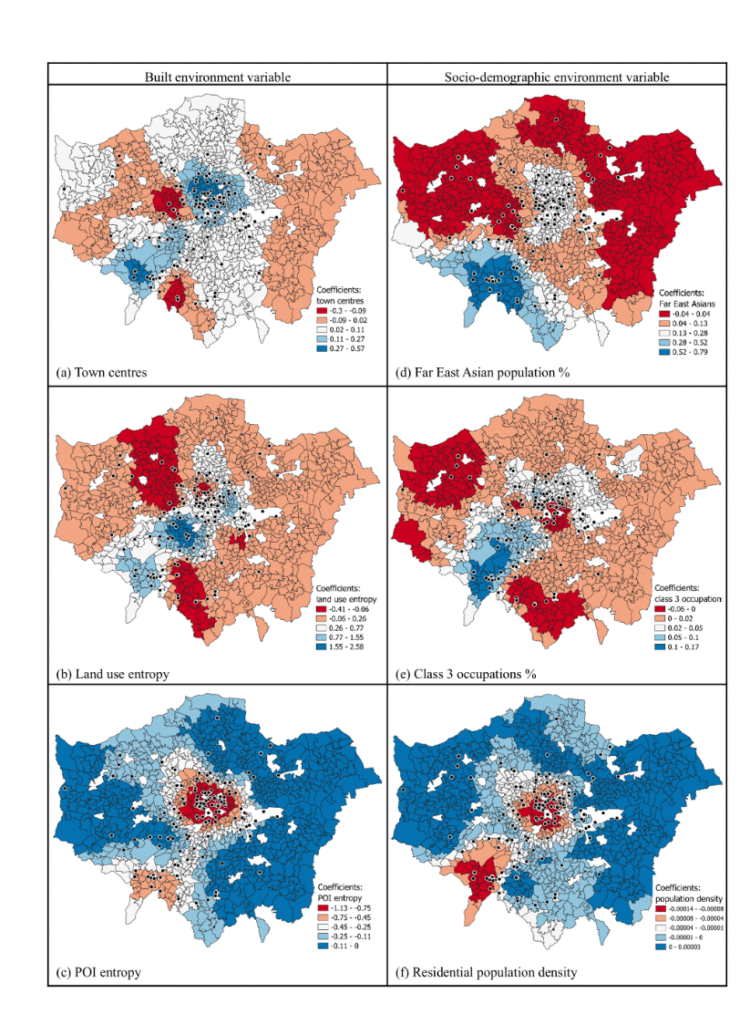
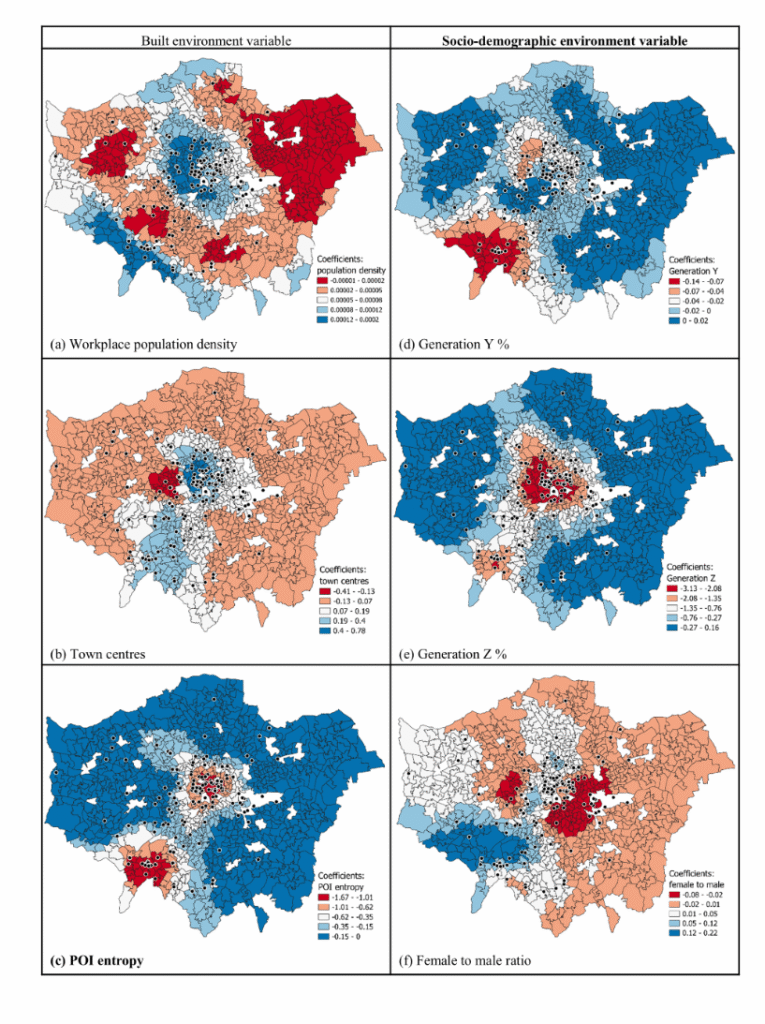
While most existing research has on ethnic eateries relies on qualitative case studies, this study adopts a quantitative spatial approach. Using GIS and Geographically Weighted Regression (GWR), I mapped the citywide geography of Korean eateries across London to understand the local urban contexts in which they emerge and thrive.
The findings challenge dominant explanations centred primarily on immigration, globalisation, and gentrification. Instead, they reveal a more differentiated geography shaped by specific local conditions. Building on this, I introduce the concept of classed and generationally selective everyday cosmopolitanism, offering a fresh lens on how everyday intercultural encounters are produced in multicultural cities, and importantly, for whom.
Full paper here: https://www.sciencedirect.com/science/article/pii/S2666558126000564